When I think about remodeling bathrooms in the Phoenix metro area, the first image that comes to mind is heat and light. The way a space handles both can transform daily routines from routine to ritual. Arizona bathrooms aren’t just about tile and fixtures; they’re about managing heat, humidity, water use, and the way a family moves through a home from sunrise to late at night. Basin innovations—everything from sink design to water efficiency and storage solutions—have to fit a unique climate, weigh the realities of aging homes, and accommodate the budgets that span a broad spectrum across the state. Over the years I’ve worked with homeowners who are chasing personal comfort, and with investors who want durable, low-maintenance remodels that hold up under everyday wear. The through line in every project is a deep understanding of the local environment and a practical approach that keeps the drama out of the budget and in the details that matter.
Arizona bathroom remodeling starts with a clear sense of what the space is for. In many homes, the bathroom is a retreat after a long day under a relentless sun. It’s the place you step into before you step out into a world of heat and glare. The best basin innovations acknowledge that truth: a sink should not merely drain water; it should make washing up feel instantaneous, gentle, and efficient even when your day began with a traffic-choked commute or a long stretch of yard work in dry air. The second truth is that water in this part of the country is precious. Even when municipal systems supply steady pressure, the way you design a basin and the fixtures around it can shave dollars off a monthly bill and reduce the environmental footprint of the home. Those two ideas—soft daily rituals and mindful resource use—shape the innovations that actually improve life in Arizona bathrooms.
A practical place to start is the sink itself. The basin is the focal point of any bathroom, both visually and functionally. In older homes, you often encounter vanities with shallow cabinets that trap moisture and invite mold, or concrete countertops that get rough with days of humid mornings and enduring sunshine. Modern basin design, especially in Arizona, has moved toward fixtures that pair form with function: integrated overflow protection that works with efficient drains, basins that resist staining from mineral-rich water, and materials that stand up to high temperatures without warping. It’s not just about the look; it’s about reliable performance year after year, in a climate that can put unusual wear on a room that is used at every hour of the day.
As you walk a bathroom remodel project in Arizona, you’ll notice a recurring theme: durability meets daily ease. The geography influences everything from the choice of materials to the layout. Here are some of the elements that consistently show up in successful basin-centric remodels.
First, material selection matters more here than in many other regions. You’ll frequently hear talk about porcelain and vitreous china for their clean lines and ease of cleaning, but what stands out in practice is how finishes hold up to heat, humidity, and occasional splashes from steamy showers. Porcelain has become increasingly refined, with thicker ceramics that resist chipping and colors that stay true after years of sunlit exposure through east-facing windows. A high-quality glaze matters as much as the shape of the sink. Glossy surfaces may show water spots and mineral deposits more readily, but they’re often simpler to wipe clean. Matte finishes hide water marks and fingerprints but can require more frequent care to maintain a uniform look. I’ve had clients who prefer matte for a modern vibe and are upfront about occasional maintenance, and others who want the pristine crispness of a glaze that looks almost new after every wipe.
On the practical side, you’ll see a lot of emphasis on depth and edge profiles. A basin with a deeper bowl reduces splashing when you wash hands after gardening or handling gritty tasks outside. It also makes it easier to run through a morning routine without worrying about water ending up on the vanity or dripping onto the floor. The edge profile matters too. A softly rounded rim makes the sink feel integrated with the countertop and reduces the number of nicks that accumulate over time. In hot climates, you’ll often see sinks set into countertops that are either lighter in color to reflect heat or engineered to resist staining from minerals in well water. Given the variability in water chemistry across different municipalities, I’ve had good results with sinks that feature reinforced glazing or ceramic composites designed to tolerate mineral buildup.
A newer trend you’ll find in this market is the rise of under-mount basins paired with solid-surface countertops. The look is clean, the cleaning is easy, and you gain a little extra vanity space since the countertop edge sits slightly below the basin rim. For homeowners who want a spa-like feel, this arrangement reduces the visual clutter and creates a cohesive plane that’s simple to wipe with a single pass of a cloth. In terms of water efficiency, most modern basins come with aerated faucets that deliver a steady stream without wasting water. If you’re upgrading, you’ll likely encounter low-flow fixtures that still feel strong in daily use, which is a net win for a climate where every gallon counts during the driest months.
Storage is the other sinking heart of a well-designed bathroom in Arizona. It’s common to see homeowners battling the same problem: a vanity that looks good but doesn’t hold the family’s everyday essentials. A basin can be a portal to smarter storage if you think of the space around it as part of the overall system. One practical approach is to pair a shallow, wide basin with a vanity that includes drawers designed to accommodate tall bottles, narrower compartments for small items, and slightly deeper drawers for towels or cleaning supplies. The goal is to keep the surface clean; you don’t want a glorious basin surrounded by a field of clutter. For really tight spaces, consider wall-mounted vanities with floating storage. They give you room to sweep and mop, and the showpiece basin doesn’t get crowded by the clutter you accumulate between chores and visitors.
Another essential variation is the combination of sink and faucet in a single unit. When you’re remodeling in a high-use family bathroom, you may opt for a single-hole faucet in a modern, minimalist style or a widespread faucet if you want a more traditional look with easy reach from both sides of the basin. Either choice can be paired with a single, large undermount sink or two basins if you’re creating a shared space for adults and kids. In the end, what matters is flow: how the user approaches the sink from the shower or the mirror, how many steps it takes to reach it, and how the water controls are placed so a turn of the wrist doesn’t require a full arm stretch.
The overall layout of a bathroom in Arizona can shift the way you perceive the basin’s role in the room. The sun is bright for much of the day, and glare can make a space feel more expansive if you design around it. Yet the same brightness can reveal dirt or mineral buildup more quickly, especially near hard water sources. Choosing the right basin often means balancing aesthetics against practical realities. A small powder room might benefit from a compact, basin-integrated vanity that keeps the footprint minimal while still offering storage—this can be achieved with a pedestal sink or a wall-mounted basin paired with shelf storage. A larger family bathroom can accommodate a more generous vanity and a double basin configuration that supports simultaneous use by two people in the morning rush.
A critical but often overlooked factor is ventilation. In a region where showers happen year-round and sunlight can bake the bathroom surfaces, moisture control is a long-term investment in the life of the basin and its surroundings. A vent that works efficiently is as essential as the sink itself. If you’re replacing a vent or updating the exhaust system during the remodel, you’ll realize how ceiling fans and vent placement affect the way moisture moves within the room. An optimally vented space reduces the risk of mold and foggy mirrors and helps the finish on glass and metal last longer. It’s not glamorous in the way a new faucet is, but it pays dividends in maintenance and comfort.
In this line of work, choosing a basin for an Arizona bathroom also means understanding the trade-offs involved in different water sources. Some homeowners rely on well water, which can bring mineral content that leaves rings and scale in nearly every fixture. If you live in a region that uses well water or you know you’ll rely on it for the foreseeable future, you’ll want a sink with a glaze that resists staining and a faucet finish that tolerates mineral buildup. You’ll also consider a filtration system that protects the fixtures without introducing maintenance burdens or extra clutter under the sink. In contrast, municipal water supplies are typically friendlier to fixtures, but they still demand thoughtful care. A small investment in a scale-prevention solution can dramatically reduce cleaning time in the long run.
The story of a successful basin-centric remodel often features a few decisive decisions that shape how the space functions for years to come. I think of a mid-century home in Tempe where the owners wanted a clean, contemporary look that still felt warm and livable. We replaced a tired pedestal sink with a double undermount basin and a single wide vanity. The result was not only a more efficient routine in the morning but also a space that looked calmer, more open, and easier to clean. The countertop material choice mattered as well. We opted for a quartz surface with a subtle, sandy pattern that echoed the desert landscape outside the window while resisting the kind of scratching that can occur with daily use. Everyone appreciated the durability and the simple maintenance routine—wipe with a damp microfiber cloth, a quick spray of an all-purpose cleaner, then a rinse. A small change in material selection turned a space that felt dated into something that felt ambient and resilient.
Yet not every project hinges on the big-ticket upgrades. A lot of the time, the most meaningful improvements come from thoughtful adjustments to the way the basin interacts with the rest of the room. In one quick refresh, I replaced a standard sink drain with a smoother pop-up drain and added a broader, softer edge to the countertop to reduce chips and grooves that trap soap scum. For a family with little kids, we installed a basin with an integrated shelf behind the vanity door to keep hand towels within reach but out of sight, maintaining a tidy look that still serves the daily needs of the household. The gains weren’t dramatic in the sense of a dramatic reveal, but they were measurable: less clutter, easier cleaning, and a space that felt calmer after every use. Small choices, when multiplied across a bathroom, become a meaningful improvement in daily life.
Let’s take a closer look at some of the practical choices you’ll face when selecting basins and their companions in Arizona. There are factors that influence the final feel of the room, and there are limits that you’ll want to respect for durability and budget.
First, think about the height and ergonomics. The standard vanity height works well for many people, but if you’re remodeling for seniors or someone with mobility challenges, a slightly raised or lowered vanity can make a world of difference. In a few projects I’ve completed for clients who want to age in place, we adjusted the vanity height and chose a basin that is easy to access from a seated position. It’s a small change that yields a big payoff in daily comfort and independence. The basin itself should be paired with a faucet that’s easy to operate with a full hand, not just a fingertip. Lever handles or broad, tub-like handles can be much more accessible for people with limited dexterity, especially as the family ages.
Second, water efficiency deserves a close look. The basin is a point of use for energy and water in any bathroom, and in Arizona, where water resources require deliberate stewardship, even a modest upgrade can add up over time. Low-flow faucets with aerators and properly rated drains shorten the time to dry the sink area after washing, limiting moisture on wood and stone. When you’re evaluating fixtures, look for WaterSense labels and test the flow with a simple watch-glass test to verify performance. This is a real-world step that many homeowners skip in the interest of aesthetics, but you’ll notice the difference in monthly bills and in how the room feels after a shower.
Third, durability and maintenance follow a practical logic. The desert climate may feel sunny and bright, but it can also reveal wear quickly if you cut corners on sealing edges and choosing resilient materials. Avoid heavily lacquered finishes on cabinetry if you’re prone to frequent humidity spikes; instead, opt for a durable sealant and water-resistant paints. The basin should be paired with hardware that doesn’t corrode easily; stainless steel or brushed nickel finishes tend to hold up well if you wipe down surfaces after use. The goal is a system that accepts daily abuse but preserves its look and performance with a light, regular routine of care.
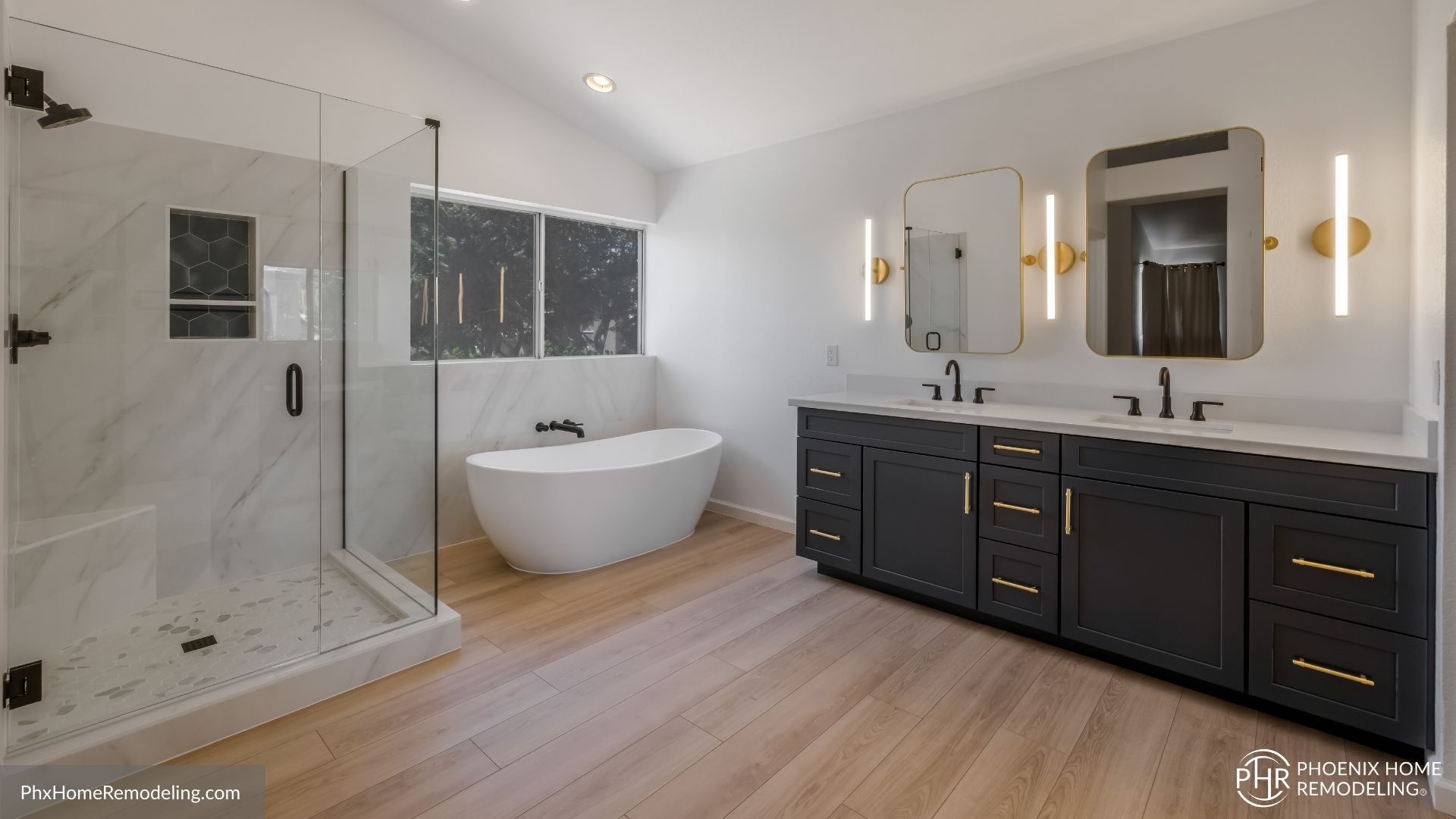
The design choices behind basin innovations also reflect personal taste and the size of the space. In smaller bathrooms, you can lean into wall-mounted vanities with a compact basin that visually opens up the room. The absence of a bulky cabinet beneath the sink helps a room feel larger and makes cleaning easier. In larger bathrooms, you have the freedom to Phoenix residential remodeling experiment with multi-sink arrangements, textured walls, or a bold sink shape that becomes a focal point without overpowering the rest of the design. The basins and their surrounding surfaces become a palette with which you paint your daily rituals.
There is a philosophical element to all this as well. The way you approach water use in a bathroom speaks to a broader set of values about the home and the region. Arizona’s climate invites a certain mindfulness—about how we conserve, how we regulate energy, and how we plan for the long term. Basin innovations are twofold here: they accommodate a lived reality and they help shape a future that honors the desert’s limits. The best remodels don’t simply look good when you walk in; they function smoothly when you walk out, cleaning up quickly and leaving you with a sense of calm as you walk into your next task for the day.
In the course of a project, you will often encounter two competing pressures: the desire for a premium look and the need for reliability under daily use. If you’re tempted to chase the latest designer sink or the most dramatic finish, ask yourself a few practical questions. Will this finish stay pristine with daily contact and occasional cleaning by a family with kids? Is the glaze or the ceramic element known to resist mineral buildup from the local water supply? Will the space accommodate the necessary plumbing changes without a major upheaval to the rest of the house? The logic of these questions helps you avoid costly missteps and keeps the remodel aligned with the realities of life in Arizona.
A note on sustainability and resilience. In many projects I’ve led, we planned around materials that can be sourced locally or regionally whenever possible. Local suppliers understand the climate, the typical wear patterns, and the kinds of finishes that stand up well to heat and dust. This isn’t merely about reducing a carbon footprint, though that is a meaningful benefit; it’s also about ensuring that the story of your bathroom remains intact after fifty weeks of heavy use and a handful of monsoon-season storms. The bathroom is a high-traffic area, and the basin is its working heart. When you pick materials with durability and longevity in mind, you reduce the need for frequent replacements and you create a space that looks better for longer.
To give you a clearer sense of what this looks like in practice, consider the following two real-world examples from recent projects in the area. One involved a mid-size home in Chandler where the family wanted a contemporary, low-maintenance bathroom that could support two adults and a teenager during the morning routine. We replaced an aging tile countertop with a quartz surface that has a faint, sandy texture reminiscent of desert dunes. The undermount basin was paired with a single, wide vanity, and a soft white shade kept the space fresh and bright without reflecting too much glare. The result was a calm, durable space that felt good to live in and easy to clean, with a noticeable reduction in morning congestion as a result of the more efficient layout. Another project took place in Glendale, where a compact guest bathroom had a pedestal sink that felt elegant but was impractical for everyday use. We swapped in a compact, wall-mounted vanity with a basin that sits slightly above the countertop, making it easier to reach and clean around. The client appreciated the addition of hidden storage behind the vanity doors and the lighter color palette that made the bathroom feel more open. In both cases, the basin and its companions became the anchor of a broader strategy to create spaces that are resilient, practical, and beautiful.
If you’re planning a bathroom remodel in Arizona and wondering where to begin, a pragmatic path often serves you best. Start with a thorough assessment of the space: measure the footprint of the sink area, examine the cabinet construction, and check plumbing access points. Then map out how the space is used across the day. Do the kids come in after school for a quick wash before practice? Is there a need for a separate vanity for a shared use bathroom? Do you want a single, powerful focal point or a calm, seamless aesthetic? These questions guide every decision from the basin’s depth and shape to the finish on the faucet, the color of the countertop, and the texture of the tile you choose for the splash.
Finally, I want to offer a couple of practical, field-tested considerations that tend to matter most in the real world. First, ensure you have a realistic plan for lighting. A well-lit sink area makes every task easier and can dramatically change the perceived quality of the basin. A mix of task lighting and ambient light creates a space that feels both functional and welcoming. Second, verify the installation timeline and access to existing plumbing. If you’re in an older home, moving plumbing lines can introduce not just dollars but the risk of discovering other issues behind walls. Plan with a contractor who has the experience to stage the project in a way that minimizes disruption and avoids surprises. Third, keep a close eye on the warranty and serviceability of the fixtures you choose. A good warranty saves you money down the line, and a solid service plan gives you peace of mind after a few years, when you might notice something fading or starting to show wear.
In the end, the basin is more than a container for water. It’s a space where daily rituals unfold with quiet efficiency, where a family can gather for a shared moment in the morning or unwind after work with the simple act of washing up. Arizona’s climate and living realities shape how we experience these moments, and those experiences should be reflected in the choices we make when remodeling. The best projects honor the desert’s temperament—resilient, practical, and quietly confident—while delivering a space that feels fresh, clean, and comfortable for years to come.
A word about planning and the budgeting mindset. You can do a lot with a modest budget if you approach the project with clear priorities. For many homeowners, a good starting point is to earmark a portion of the budget for the basin and vanity hardware separately from the more cosmetic elements like tile or lighting. This helps you see where you can upgrade for daily use and where you can compromise for a better overall balance. A well-chosen basin, a durable countertop, and a reliable faucet are not disposable luxury items; they are the core of your bathroom’s comfort and efficiency. When you treat them as such, you can avoid the common trap of chasing a look that may be attractive in photos but fails the test of daily life.
If you’re still reading with your mind turning toward a plan, I’ll offer a short, practical checklist that can anchor your next steps without feeling like a heavy lift. You can use this as a simple guide to your first conversation with a contractor or designer.
- Define daily routines: who uses the space, what tasks are common, and where the bottlenecks are in the current layout. Decide on a basin type that matches the space: single large undermount, double basin, or a compact wall-mounted option with storage. Prioritize water and energy efficiency: look for low-flow fixtures, tested aerators, and durable finishes that resist mineral buildup. Plan storage that keeps the surface clean: consider drawers, shelves behind doors, and thoughtful cabinet depths. Confirm ventilation and lighting synergy: ensure a bright sink area with a comfortable ambient level and a vent that handles humidity without screaming for maintenance.
For a homeowner in this particular climate, those two or three decisions can make the difference between a space that looks good in photos and a bathroom that feels good when you walk into it after a long day. The basin, in this sense, is not merely a functional feature; it is the anchor around which the entire space turns. The right basin helps you stand at the sink and feel a moment of calm as the world continues outside—an essential ingredient in any Arizona home’s ongoing story of comfort, resilience, and practical, everyday luxury.